
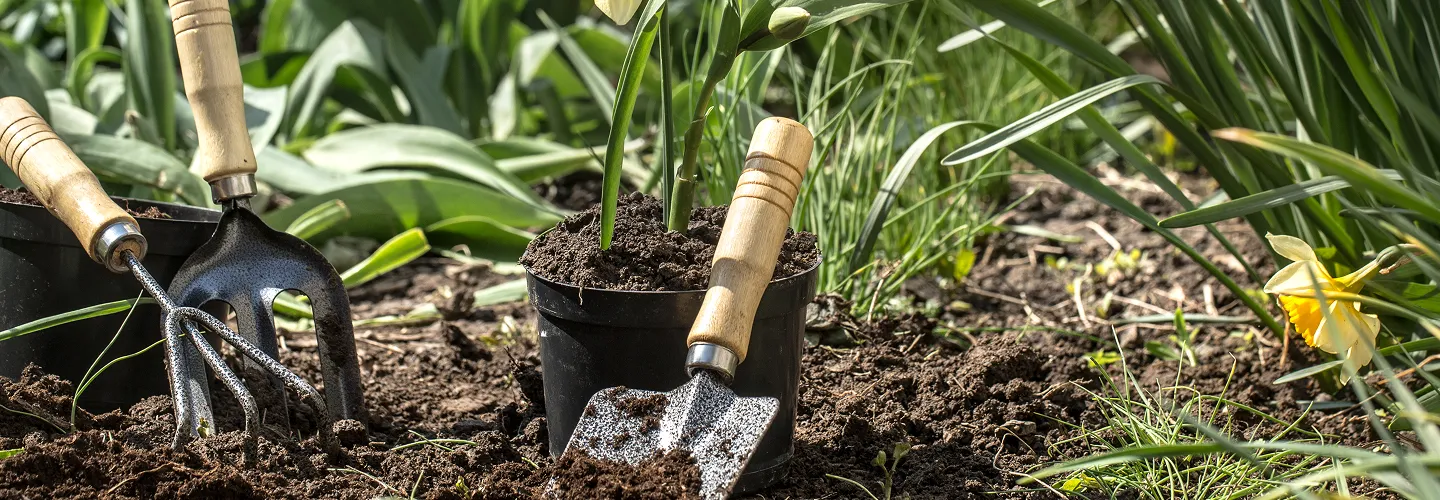
Huntington Flower Bed Maintenance Services
Choose our Flower Bed Maintenance for expert care, healthy blooms, and a beautiful landscape that enhances your home's curb appeal season after season.
Get a Free QuoteOur Huntington Landscaping & Yard Care Services
When to Schedule Flower Bed Maintenance in Huntington, Texas – Seasonal Guide
In Huntington, Texas, timing your flower bed maintenance is crucial for vibrant, healthy landscapes. The region’s humid subtropical climate means that spring and early fall are generally the best times for most maintenance tasks, such as mulching, pruning, and planting. Early spring, just after the last frost date—typically in late February or early March—offers ideal conditions for prepping beds and introducing new plants. Fall, especially late September through October, is perfect for dividing perennials and refreshing mulch, as the soil remains warm but the intense summer heat has subsided.
Local factors like the sandy loam soils found near the Angelina National Forest, the shade coverage in neighborhoods like Pinecrest, and the risk of summer droughts all play a role in determining the best maintenance schedule. Homeowners should also consider municipal guidelines and water restrictions, which can be found on the official town website, to ensure compliance and optimal results.
Local Factors to Consider for Flower Bed Maintenance in Huntington
- Proximity to dense tree cover (e.g., homes near Old Highway 69)
- Soil drainage and type (sandy loam vs. clay)
- Average precipitation and drought risk during summer months
- Frost dates and temperature swings in early spring and late fall
- Municipal watering restrictions and local ordinances
- Terrain slope and erosion risk, especially near Lake Sam Rayburn
- Shade coverage from mature oaks and pines
Benefits of Flower Bed Maintenance in Huntington
Enhanced Curb Appeal
Weed and Pest Prevention
Healthier Plant Growth
Seasonal Color Management
Professional Expertise
Time and Effort Savings
Huntington Flower Bed Maintenance Types

Seasonal Flower Planting
-
Weed Control Services
-
Mulching and Soil Conditioning
-
Pruning and Deadheading
-
Fertilization Programs
-
Pest and Disease Management
-
Edging and Bed Redefining
Our Flower Bed Maintenance Process
Site Evaluation
Weed Removal
Soil Preparation
Plant Care
Mulching
Why Choose Huntington Landscape Services
-
Huntington Homeowners Trust Us
-
Expert Lawn Maintenance
-
Reliable Scheduling
-
Competitive Pricing
-
Professional Team
-
Satisfaction Guarantee
-
Personalized Service
Soil Series and Drainage Considerations for Flower Beds in Huntington
Flower bed maintenance in Huntington requires careful attention to local soil conditions, which are predominantly characterized by Vertisols and Mollisols, including the Houston Black clay series. These soils are known for their high clay content, expansive properties, and slow drainage, often resulting in seasonal water retention at depths of 12-18 inches. Soil pH typically ranges from 7.0 to 8.0, necessitating amendments for acid-loving species. Best practices include:
- Incorporating 2-3 inches of compost tilled to a 6-inch depth
- Conducting soil tests through Texas A&M AgriLife Extension (typical cost: $15-25)
- Applying gypsum to improve structure in heavy clay
- Avoiding overwatering to prevent root rot Research local soil series using the USDA Web Soil Survey for site-specific recommendations. Compliance with Huntington’s drainage ordinances is essential when modifying beds near public rights-of-way.
Huntington Public Works Department
City Hall, 802 US Highway 69 S, Huntington, TX 75949
Phone: (936) 422-4195
Official Website: Huntington Public Works Department
Seasonal Timing and Weather Guidance for Flower Bed Maintenance in Huntington
Huntington is located in USDA Hardiness Zone 8b, with average annual minimum temperatures of 15-20°F. The optimal window for planting and major flower bed maintenance is from March 1 to May 15 in spring and September 15 to November 1 in fall, when soil temperatures range from 55°F to 75°F. Avoid heavy soil work during June-August due to heat stress and potential drought. Key timing guidelines include:
- Spring mulching: March 15 - April 15
- Perennial division: October 1 - November 1
- Fertilization: Early April and late September Monitor local forecasts through the National Weather Service Shreveport Office for frost advisories and rainfall events. Adjust irrigation schedules to avoid overwatering during periods of high rainfall, which are common in April and October.
Huntington’s Municipal Yard Waste Collection and Debris Disposal Protocols
Proper disposal of flower bed debris in Huntington is governed by municipal collection schedules and container requirements. Yard waste is collected every Thursday from April through November. Residents must use biodegradable paper bags or reusable bins (32-gallon maximum); plastic bags and branches over 4 inches in diameter are prohibited. Accepted materials include:
- Leaves, grass clippings, and flower bed trimmings
- Brush under 4 feet in length
- Weeds and non-woody plant material Improper disposal, such as placing debris in storm drains, is a violation of Huntington’s MS4 permit under the Clean Water Act. For large volumes, the city transfer station is open Monday-Friday, 8:00 AM - 4:00 PM. Review local ordinances at the Huntington Code of Ordinances.
Huntington Public Works Department
City Hall, 802 US Highway 69 S, Huntington, TX 75949
Phone: (936) 422-4195
Official Website: Huntington Public Works Department
Environmental Compliance: Buffer Zones and Stormwater Protection in Huntington
Flower bed maintenance near Huntington’s streams, wetlands, and drainage ditches must comply with buffer zone requirements and stormwater regulations. Maintain a minimum 25-foot no-disturbance buffer from all mapped wetlands and perennial streams. The Texas Commission on Environmental Quality (TCEQ) enforces MS4 stormwater permits, prohibiting the discharge of soil, mulch, or plant debris into storm drains. Key compliance steps:
- No fertilizer or pesticide application within 50 feet of water bodies
- Install silt fences for projects on slopes over 5%
- Schedule work to avoid heavy rain events
- Use only EPA-registered products for pest management Review the Texas Water Code for statewide requirements and consult EPA Region 6 for federal guidance.
Texas Commission on Environmental Quality
12100 Park 35 Circle, Austin, TX 78753
Phone: (512) 239-1000
Official Website: Texas Commission on Environmental Quality
Plant Selection for Huntington’s Climate and Urban Conditions
Selecting appropriate species for flower beds in Huntington requires consideration of Zone 8b climate, clay soils, and periodic drought. Recommended species include:
- Full sun: Black-eyed Susan (Rudbeckia fulgida), daylily (Hemerocallis spp.), purple coneflower (Echinacea purpurea)
- Partial shade: Coral bells (Heuchera americana), hosta (Hosta spp.), Turk’s cap (Malvaviscus arboreus)
- Deer resistant: Russian sage (Perovskia atriplicifolia), salvia (Salvia greggii)
- Native options: Winecup (Callirhoe involucrata), cardinal flower (Lobelia cardinalis) Space perennials 18-24 inches apart for optimal density. For detailed plant lists and diagnostic support, consult Texas A&M AgriLife Extension. Avoid invasive species listed by the Texas Department of Agriculture.
What Neighborhoods Do We Serve Throughout Huntington, TX?
- Downtown Huntington: Features older properties with compacted clay soils and limited green space, requiring soil amendment and careful drainage management for flower beds.
- Pineywoods Estates: Characterized by larger lots, mature pine trees, and partial shade, necessitating deer-resistant and shade-tolerant plant selections.
- Lakeview Acres: Proximity to wetlands and seasonal flooding zones demands strict buffer compliance and use of moisture-tolerant species.
- South Huntington: Newer developments with improved drainage infrastructure but higher exposure to sun and wind, favoring drought-tolerant perennials.
- Forest Glen: Dense tree canopy and acidic soils require regular leaf debris removal and pH adjustment for optimal plant health.
- Meadowbrook: Open landscapes with minimal tree cover, subject to summer heat stress and rapid soil drying, making mulching and irrigation scheduling critical.