
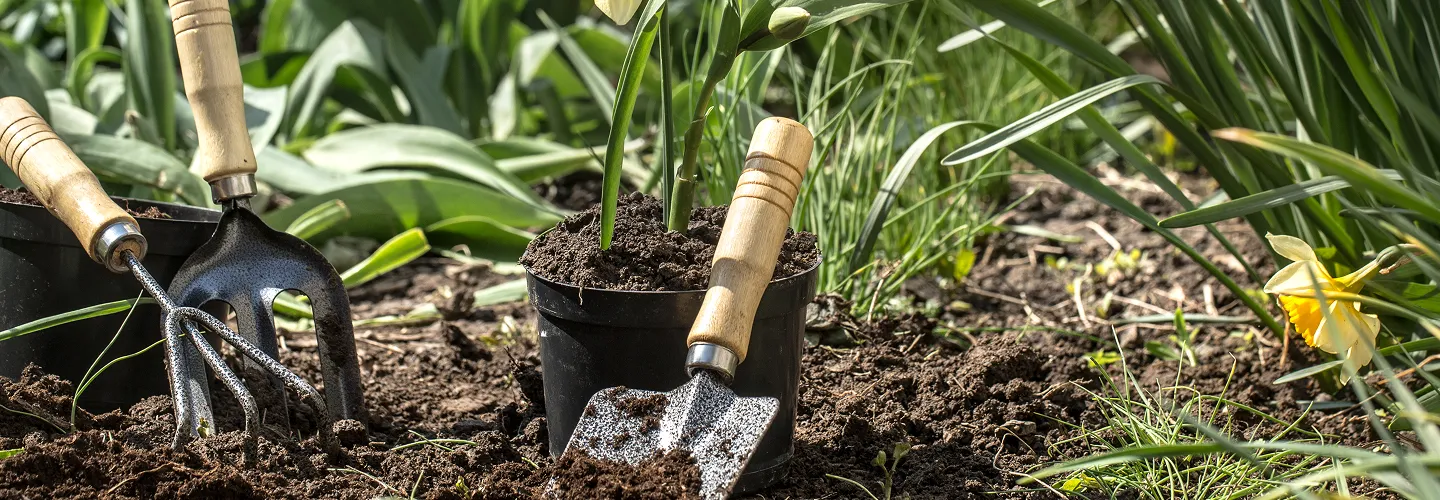
Huntington Lawn Installation Services
Choose our expert lawn installation for a seamless, hassle-free transformation—enjoy a vibrant, healthy yard that boosts your home's curb appeal and value, all backed by our commitment to quality and customer satisfaction.
Get a Free QuoteOur Huntington Landscaping & Yard Care Services
When to Schedule Lawn Installation in Huntington, Texas – Seasonal Guide
Choosing the right time for lawn installation in Huntington, Texas is crucial for achieving a healthy, resilient yard. The region’s climate features hot, humid summers and mild winters, making early spring and early fall the most favorable periods for new turf establishment. These seasons offer moderate temperatures and increased rainfall, which help new grass roots take hold before the intense summer heat or occasional winter frosts arrive. Neighborhoods near Huntington High School and the banks of the Angelina River often experience unique microclimates, so it’s important to consider your specific location when planning.
Local environmental factors such as average last frost dates, the risk of summer drought, and the prevalence of sandy or clay-heavy soils can all impact the success of your lawn installation. Areas with dense shade from mature oaks or pines, like those found near the Huntington City Park, may require specialized grass varieties and careful timing. For more information on local regulations and best practices, consult the official municipal resources.
Local Factors to Consider for Lawn Installation in Huntington
- Tree density and shade coverage, especially in established neighborhoods
- Soil composition (sandy vs. clay) and drainage characteristics
- Seasonal precipitation patterns and drought risk
- Proximity to water sources like the Angelina River
- Municipal restrictions or watering schedules
- Terrain slope and potential for erosion
Benefits of Lawn Installation in Huntington
Expert Landscaping Services
Premium Quality Sod
Fast and Efficient Installation
Customized Lawn Solutions
Enhanced Curb Appeal
Long-Lasting Green Lawns
Huntington Lawn Installation Types

Sod Installation
-
Hydroseeding
-
Artificial Turf Installation
-
Native Grass Lawns
-
Drought-Tolerant Lawns
-
Overseeding Existing Lawns
-
Zoysia and Bermuda Grass Lawns
Our Lawn Installation Process
Site Evaluation
Soil Preparation
Lawn Installation
Watering and Initial Care
Why Choose Huntington Landscape Services
-
Huntington Homeowners Trust Us
-
Expert Lawn Maintenance
-
Reliable Scheduling
-
Competitive Pricing
-
Professional Team
-
Satisfaction Guarantee
-
Personalized Service
Soil Series and Drainage Considerations for Lawn Installation in Huntington
Lawn installation in Huntington requires careful assessment of local soil conditions, as the area is predominantly characterized by the Lufkin fine sandy loam and Bowie fine sandy loam series, according to the USDA Web Soil Survey. These soils are moderately well-drained but can exhibit compaction in developed areas, affecting root establishment and water infiltration. Soil pH typically ranges from 5.5 to 6.5, necessitating lime application if tests reveal acidity below 6.0. For optimal turf establishment, incorporate 2-3 inches of compost tilled to a 6-inch depth and conduct a soil test through Texas A&M AgriLife Extension (typical cost: $15-25). Key recommendations include:
- Lime application for pH below 6.0
- Compost incorporation: 2-3 inches tilled to 6-inch depth
- Soil test prior to installation
Huntington’s Lawn Installation Timing and Climate Zone Guidance
Huntington is situated in USDA Hardiness Zone 8b, with average annual minimum temperatures of 15-20°F. The optimal window for cool-season grass seeding is September 15 to October 31, when soil temperatures are 60-75°F. Warm-season sod, such as bermudagrass or zoysiagrass, should be installed from April 1 to June 15, avoiding the peak summer heat. The National Weather Service Shreveport Office provides local forecasts to guide timing around rainfall and temperature extremes. Timing recommendations:
- Cool-season seeding: September 15 – October 31
- Warm-season sod: April 1 – June 15
- Avoid installation during July-August (heat stress period)
- Monitor soil temperature (target 60-75°F for seeding)
Municipal Coordination and Lawn Installation Ordinances in Huntington
Lawn installation projects in Huntington must comply with city ordinances regarding equipment operation, debris disposal, and property line setbacks. Equipment operation is permitted:
- Monday-Friday: 7:00 AM – 7:00 PM
- Saturday: 8:00 AM – 6:00 PM
- Sunday and holidays: Prohibited All soil disturbance within 25 feet of wetlands or drainage ditches requires a review by the city. Yard waste generated during installation must be placed in biodegradable bags or 32-gallon containers for Thursday curbside collection, April through November. For guidance on local ordinances and collection schedules:
Huntington Public Works Department
802 US Highway 69 S, Huntington, TX 75949
Phone: (936) 422-4195
Official Website: Huntington Public Works Department
Refer to the Huntington Code of Ordinances for detailed requirements.
Environmental Compliance: Stormwater and Buffer Zone Regulations in Huntington
Lawn installation activities in Huntington must adhere to stormwater management requirements under the Clean Water Act and the Texas MS4 permit program, administered by the Texas Commission on Environmental Quality. It is prohibited to allow soil, sod, or grass clippings to enter storm drains or surface waters. Maintain a 25-foot no-disturbance buffer from wetlands and a 50-foot setback from perennial streams. Application of fertilizer or pesticides is not permitted within 50 feet of water bodies. Compliance steps include:
- Maintain 25-foot buffer from wetlands
- No fertilizer/pesticide within 50 feet of water bodies
- Prevent debris from entering storm drains
Texas Commission on Environmental Quality
12100 Park 35 Circle, Austin, TX 78753
Phone: (512) 239-1000
Official Website: Texas Commission on Environmental Quality
Professional Standards and Safety Protocols for Lawn Installation in Huntington
All lawn installation work in Huntington must meet professional safety and equipment standards. Operators are required to use commercial-grade sod cutters and seeders, with blade sharpening every 20-25 hours of use. Personal protective equipment (PPE) is mandatory:
- Eye protection: ANSI Z87.1 safety glasses
- Hearing protection: Earmuffs or plugs for 85+ dB noise
- Footwear: Steel-toed boots, non-slip soles
- Gloves: Cut-resistant for sod handling Maintain a 15-foot clearance from overhead utilities and contact Texas 811 at least 72 hours before any ground disturbance. For large projects near public roads, coordinate with the city for traffic control measures.
Huntington Code Enforcement
802 US Highway 69 S, Huntington, TX 75949
Phone: (936) 422-4195
Official Website: Huntington Code of Ordinances
What Neighborhoods Do We Serve Throughout Huntington, TX?
- Downtown Huntington: Features compacted urban soils and smaller lots, requiring soil amendment and careful equipment access for installation projects.
- Pineywoods Estates: Characterized by sandy loam soils with moderate drainage and mature pine stands, necessitating root zone preparation and shade-tolerant turf selection.
- Lakeview Acres: Proximity to wetlands and seasonal flooding zones demands strict buffer compliance and careful grading to prevent runoff.
- Old Town District: Historic properties with established trees and narrow setbacks require hand tools and coordination with local ordinances for tree root protection.
- South Huntington: Larger lots with open exposure and minimal tree cover, allowing for efficient equipment use but requiring wind erosion control during installation.
- Forest Glen: Dense woodland edges and sloped lots present challenges for drainage management and erosion prevention during turf establishment.
- Meadowbrook: Newer development with fill soils and active HOA guidelines, requiring adherence to community standards and frequent soil testing for compaction.